


Safe sailing with a VHF radio: essential information
Learn everything about the responsible and effective use of a VHF radio. Discover the rules, procedures, and tips for safe communication at sea!
When you enter the world of sailing, communication is one of the most important aspects to master. One of the most essential communication tools on board a boat is the VHF radio. In this guide, we will walk you through the basics of using a VHF radio, when to use it, what you can say, and even how to save yourself in emergency situations. Let’s start with an introduction to this indispensable piece of equipment.
The VHF radio: What is it and why do you need it?
A VHF radio is a radio communication system specifically designed for use on the water. It is the maritime version of a walkie-talkie, but with a much greater range. Its primary purpose is to communicate with other vessels and shore stations, which is essential for safety and coordinating activities on the water.
Can I just use a VHF radio?
In the Netherlands, there are specific rules regarding the operation of a VHF radio. Here are the key points regarding the use of a VHF radio without a certificate:
- Certificate requirements: In the Netherlands, it is mandatory to have a Basic VHF Certificate to operate a VHF radio. This certificate demonstrates that you have the required knowledge to use the VHF radio correctly, including the proper use of VHF channels and communication procedures.
- Exceptions for small vessels: For certain smaller vessels, such as sailing boats and motorboats under 7 meters in length and with a transmission power of less than 1 watt (W), no certificate is required. These vessels may use VHF channels without certification obligations.
- Certificate-required Channels: There are specific VHF channels that may only be used by certified VHF operators. These channels are marked as “certificate-required.”
- Emergency calls: In case of emergency, anyone, even without a certificate, may use a VHF radio to make an emergency call. The international distress signal “Mayday” may be used to report an emergency situation.
It is important to note that the correct use of the VHF radio is essential for safety on the water. Even if you are not required to have a certificate, it is advisable to familiarize yourself with the proper procedures and VHF etiquette to ensure that you use the VHF radio in a safe and responsible manner. Safety on the water is always a priority.
What should I do in emergencies?
In emergencies, quick and effective action is vital. If you find yourself in an emergency situation, follow these steps:
- Activate the DSC: If you have a VHF radio with Digital Selective Calling (DSC), use it to send an emergency call. It will automatically send your position to rescue services.
- Mayday message: If you do not have DSC, make a Mayday call on channel 16. Repeat “Mayday” three times, give your vessel name, position, and nature of the emergency.
- Listen for instructions: Stay calm and listen to the instructions from the rescue services.
- Offer assistance: If you witness an emergency situation, offer help if it is safe to do so. The maritime community is known for its solidarity in emergencies.
Practice and be responsible
Using a VHF radio is a skill that requires practice. Regularly conduct VHF checks and test emergency procedures. Be responsible and respectful towards other VHF users, and reserve channel 16 for emergencies.
With a good understanding of how to use a VHF radio, you are ready to navigate the waters with confidence. Safe sailing!
The NATO Phonetic Alphabet
To ensure that letters and numbers are clearly transmitted, the NATO Phonetic Alphabet is often used. Here is an example:
– A: Alpha
– B: Bravo
– C: Charlie
– D: Delta
– E: Echo
– F: Foxtrot
– G: Golf
– H: Hotel
– I: India
– J: Juliett
– K: Kilo
– L: Lima
– M: Mike
– N: November
– O: Oscar
– P: Papa
– Q: Quebec
– R: Romeo
– S: Sierra
– T: Tango
– U: Uniform
– V: Victor
– W: Whiskey
– X: X-ray
– Y: Yankee
– Z: Zulu
This alphabet ensures that there is no confusion about which letters are meant.
On this page
Read also
Enjoy an unforgettable sailing holiday in Friesland: Rent your holiday boat now!
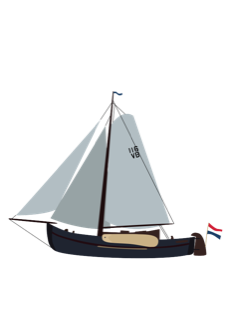
On a boating holiday in Friesland: rent a classic motorboat or flat-bottomed boat!